Most city breaks lose their first evening. Not to lateness — to indecision. An hour spent standing in a square looking at restaurant menus on a phone is the standard way it goes.
Decide before you fly
The single highest-return preparation for a short break.
Choose where you are eating on arrival night and save the address offline. Book it if the city books ahead.
Arriving tired in an unfamiliar place and trying to decide routinely ends in a mediocre meal on a tourist strip — which is a poor first impression of a city that has better.
Pick somewhere within walking distance of the accommodation, not across town.
Drop bags, do not unpack
Unpacking eats forty minutes and helps nothing on a two-night trip.
If arriving before check-in, most accommodation stores bags — ask when booking rather than assuming.
What the evening is actually for
Museums and monuments are closed. The evening suits orientation, which pays off the following day.
Walk the neighbourhood you are staying in. You learn where the metro is, which bakery opens early, and where the good bar is — all of which you would otherwise work out on Saturday afternoon.
Then something that works at night and needs no ticket:
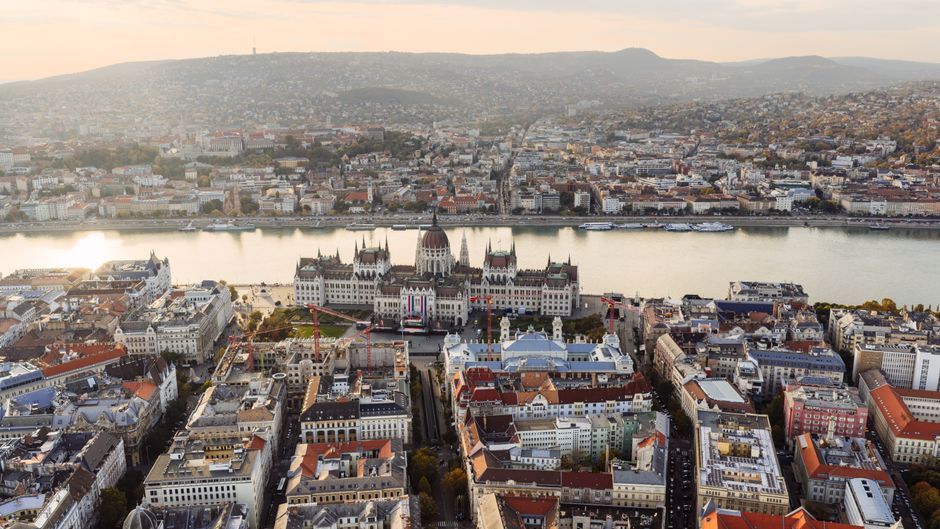
A viewpoint — Budapest's Fisherman's Bastion, Lisbon's miradouros, Rome's Aventine, Prague's castle steps.
A river or waterfront — the Danube, the Douro, the Seine, the Tagus.
A lit square — Kraków's Rynek, Brussels's Grand Place, Salamanca's Plaza Mayor.
A bar district — Budapest's ruin bars, Lisbon's Bairro Alto, Rome's Trastevere.
The late-arrival trade
A late flight buys a full extra day the next morning for the price of one night's accommodation. On a two-night trip that is a substantial gain.
Two things to confirm first:
Airport transport at that hour. Many European airport trains stop before midnight and the taxi cost may erase the fare saving.
Check-in cut-off. Small guesthouses and apartments frequently have one, and arriving after it means a locked door.
Sunday, the other lost half-day
The same problem in reverse.
Store bags after check-out — most accommodation will, and there are luggage services in most European cities.
That converts a dead morning into a usable one.
Plan Sunday morning around what is open. Many European museums close Mondays and open late Sundays; markets are often Sunday-morning events; churches are in use.
The pattern that works
Friday: arrive, drop bags, chosen dinner nearby, walk the neighbourhood and one viewpoint.
Saturday: the one thing you booked before flying, at opening. Then a district on foot. Lunch as the main meal. An afternoon museum. Evening in a second district.
Sunday: check out, store bags, market or park, lunch, airport.
That is one and a half days used properly, which is all a two-night break was ever going to be.