Discover the busy culinary scenes of Europe by visiting food markets at least once per day. Each market offers a unique array of vendors and flavors, and returning on weekends can provide the best selection of items. Whether you're in Berlin, Germany, or any other European city, food markets are the heart of local culture and cuisine.
Why Visit Food Markets?
Food markets are more than just places to buy food; they are social hubs where locals and tourists alike can experience the essence of a city. By visiting markets daily, you can taste different dishes, meet local vendors, and immerse yourself in the local culinary scene. Markets also offer a wide variety of products, from fresh produce and artisanal cheeses to exotic spices and handmade crafts. Exploring these markets is a delightful way to spend your city break.
European food markets are key here. Q: What are some sustainable shopping tips in European markets?
A: Look for stalls with eco-friendly practices, such as using recyclable materials and avoiding products that harm local wildlife. Also, consider purchasing souvenirs from artisans rather than mass-produced items. Many markets now have recycling bins for plastic and paper, and some even offer reusable bags for a small fee. By supporting these practices, you can contribute to a more sustainable future while enjoying the market.
European food markets are key here. Q: How can I ensure the food at European markets is fresh?
A: Always ask vendors about the freshness of ingredients and try to avoid products that have a long shelf life or are past their prime. Additionally, buying in bulk is often more cost-effective and can lead to fresher products. For example, in Berlin, you can find fresh vegetables and fruits at the Wochenmarkt Charlottenburg, which is known for its high-quality produce. Vendors often bring their goods early in the morning, ensuring that everything is fresh and ready to eat.
European food markets are key here. Q: How do I find the best deals at European markets?
A: Use your bargaining skills; most vendors offer lower prices if you're willing to haggle. Also, look for items that are on sale or have a closeout sign. In Berlin, the Wochenmarkt Kreuzberg is a great place to find deals on fresh produce and baked goods. Vendors often have surplus items at the end of the day, making it a perfect time to negotiate prices. Remember, the earlier you start your shopping, the better your chances of finding the best deals.
Exploring Berlin's Food Markets
Berlin, Germany, is a city that thrives on its diverse and busy food markets. Here are some of the best markets to visit during your city break:
- Wochenmarkt Charlottenburg: This market is known for its high-quality produce, fresh flowers, and a wide variety of local and international foods. It's a great place to try traditional German dishes like sausages and pretzels, as well as international flavors.
- Wochenmarkt Kreuzberg: This market is famous for its organic and fair-trade products, as well as its artisanal crafts. It's a perfect spot to find unique souvenirs and support local artisans.
- Markthalle Neun: This indoor market offers a wide range of food stalls, from gourmet cheeses to exotic spices. It's a great place to sample different flavors and try new dishes.
Further Explore
Once you've explored Berlin's food markets, consider expanding your culinary journey to other European cities. Here are some tips and suggestions:
- Explore regional markets for local specialties and traditional foods: Each city has its own unique market that offers local specialties. For example, in Paris, you can visit the Marché des Enfants Rouges for traditional French pastries and cheeses, while in Barcelona, the Mercat de la Boqueria offers a wide array of Spanish tapas and seafood.
- Browse stalls in the food hall areas of cities for an array of products at once: Food halls like the Food Hall in London or the Mercat de Santa Caterina in Barcelona provide a one-stop-shop for all your culinary needs. You can find everything from fresh fruits and vegetables to exotic spices and prepared foods.
- Dive into street food zones for a taste of authentic flavors from around Europe: Many cities have street food zones where you can sample authentic dishes from different regions. For instance, in Berlin, the street food scene is busy, with vendors offering everything from Turkish kebabs to Polish pierogis. In Lisbon, the Alfama district is known for its street food, including pastéis de nata and grilled sardines.
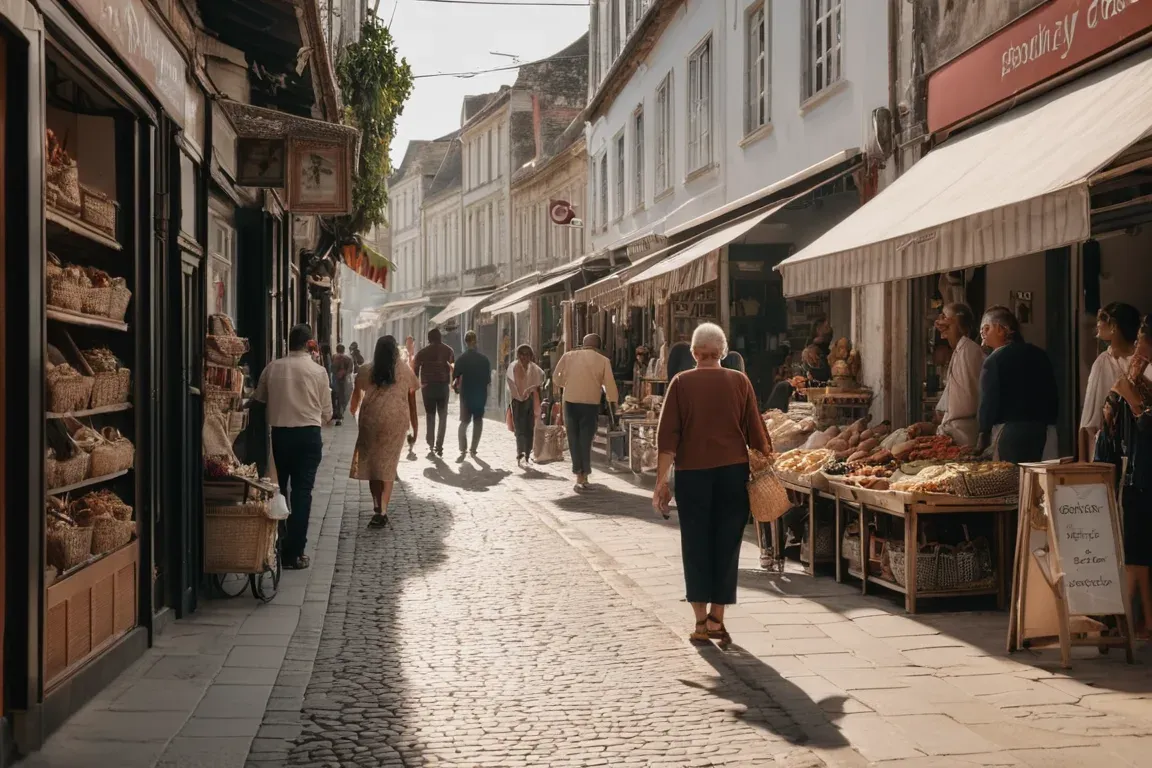
Discovering the Vibrancy of Parisian Markets
Parisian food markets are a testament to the city's rich culinary heritage. The Marché des Enfants Rouges, set in the Marais district, offers a sensory feast with its colorful stalls and aromatic foods. Each morning, the market buzzes with activity as vendors display an array of fresh produce, cheeses, and pastries. The air is filled with the scent of freshly baked baguettes and the sizzle of grilled meats. A visit to the Marché des Enfants Rouges is not just about shopping; it’s an experience that immerses you in the local culture and lifestyle.
One of the standout features of Parisian markets is the variety of local cheeses. From the creamy Brie de Meaux to the tangy Pont-l'Évêque, each cheese has its own unique story and flavor profile. Visitors can sample these delicacies at the numerous cheese counters, where knowledgeable vendors can guide you through the different varieties. Additionally, the market is a great place to try traditional French breakfast foods like croissants and pain au chocolat, often served still warm from the oven.
While the Marché des Enfants Rouges is a delight, it’s worth noting that these markets can be quite crowded and fast-paced. Patience and a willingness to navigate the crowds are essential. However, the effort is rewarded with the authentic taste of Parisian life and the opportunity to purchase high-quality, locally sourced ingredients for your own culinary adventures.

Navigating the busy Markets of Barcelona
Barcelona’s food markets are a lively blend of tradition and modernity, offering a busy atmosphere that reflects the city’s diverse culinary influences. La Boqueria, one of the oldest and largest markets in Europe, is a worth a stop. Located in the heart of El Raval, this busy market is a sensory overload, with its busy stalls, lively vendors, and the rhythmic sounds of vendors haggling over prices.
La Boqueria is a collection for food enthusiasts, offering an extensive range of products from fresh seafood to local cured meats and exotic fruits. The market is particularly renowned for its seafood, where you can find everything from succulent prawns to tender octopus. The stalls are often piled high with colorful piles of fish, each one more enticing than the last. Don’t miss the opportunity to try some grilled squid or pa amb tomàquet, a traditional Catalan dish made with bread rubbed with garlic and drizzled with olive oil, then topped with tomato.
However, navigating La Boqueria can be overwhelming for first-time visitors. The market is incredibly popular, and it can be challenging to find a place to sit and enjoy your purchases. Patience and a strategic approach to your shopping can help. Start your visit early in the morning when the market is less crowded, and prioritize your must-try items. La Boqueria also offers a wide array of tapas, making it a perfect spot for a leisurely lunch or snack.
In summary, while the markets of Paris and Barcelona offer unparalleled culinary experiences, they also come with their unique challenges. Whether you’re savoring the creamy cheeses of Paris or the fresh seafood of Barcelona, the rich flavors and cultural experiences make these markets well worth the effort.