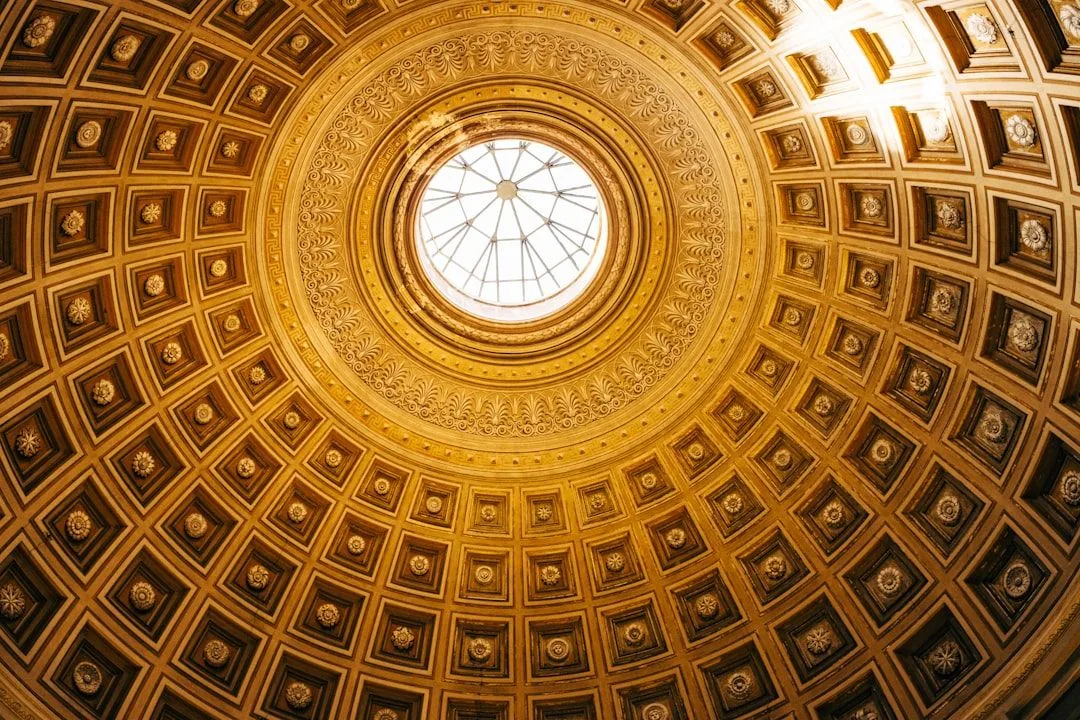
Vienna rewards slowness in a way few city-break destinations do, and its coffee house tradition is not a quaint detail — it is UNESCO-listed and it is a legitimate way to spend several hours.
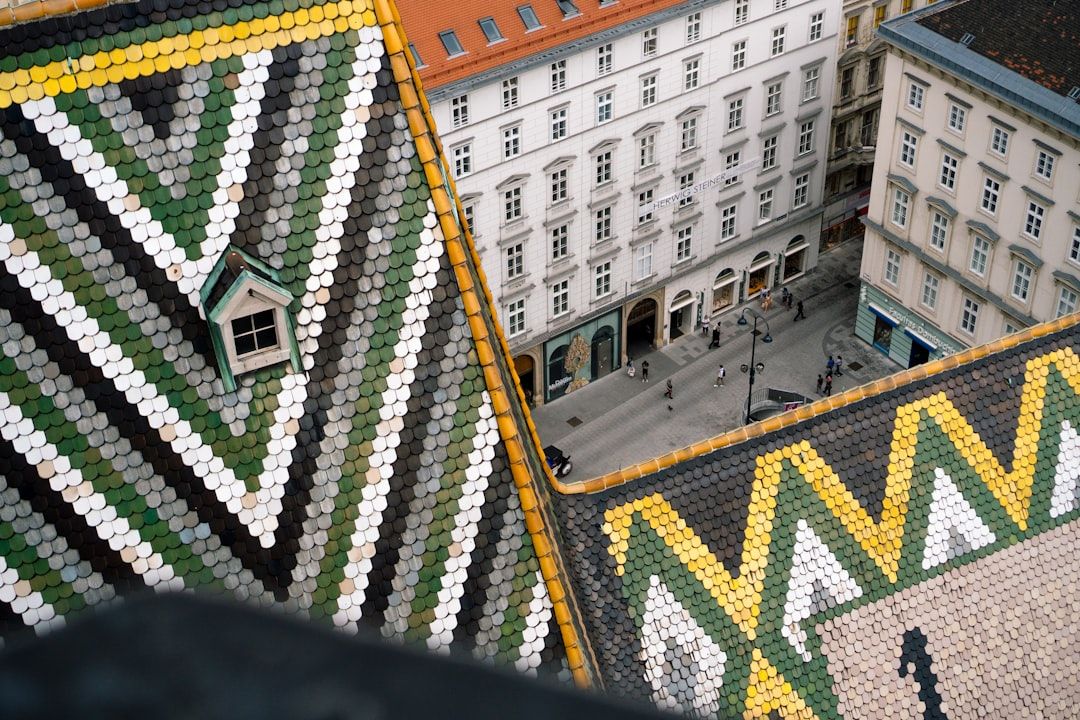
The coffee houses
The convention: the table is yours for as long as you want it. Reading, writing, arguing or doing nothing over a single coffee is expected rather than tolerated.
Water is served alongside. Newspapers on wooden holders are provided. Waiters are formal and unhurried and being rushed is not part of the arrangement.
Ordering: a Melange is the standard coffee with foamed milk. A Kleiner Brauner is a small black with a jug of cream. Asking for a latte marks you out immediately.
Café Central, Sperl, Hawelka, Prückel, Landtmann — each with its own character and its own regulars.
The palaces, which differ
Schönbrunn — the vast imperial summer palace on the city edge, with formal gardens, a gloriette on the hill behind and the world's oldest zoo. Half a day minimum, and the gardens are free.
The Belvedere — two baroque palaces closer to the centre, holding Klimt's The Kiss along with Schiele and Austrian art.
On a short trip the Belvedere is the more efficient choice.
The Hofburg, the winter palace in the centre, with the imperial apartments, the Sisi museum and the Spanish Riding School.
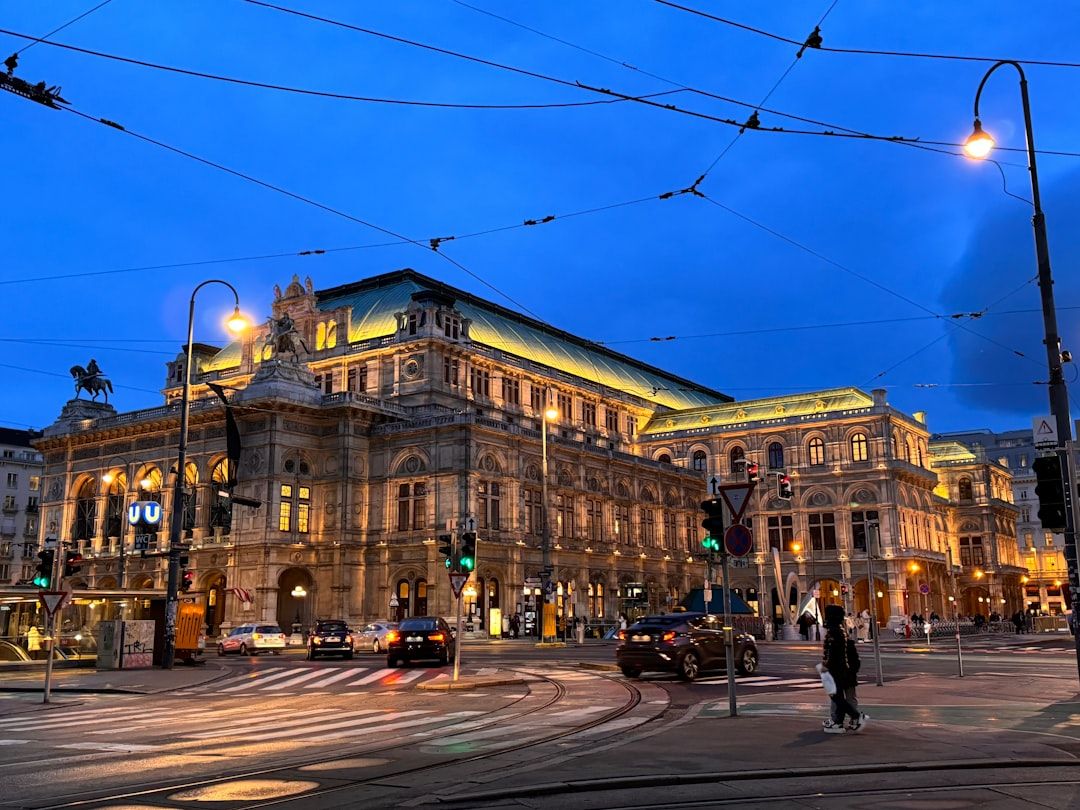
The opera bargain
The State Opera sells standing places for a few euros, released shortly before each performance. People queue.
It is one of the great cultural bargains in Europe — a world-class house for roughly the price of a coffee.
Standing places have small ledges where you tie a scarf to reserve your spot, which is the accepted custom.
The museums
The Kunsthistorisches Museum — the Habsburg collection, with the largest holding of Bruegel anywhere and a building that is itself worth the entry.
The Albertina for graphic art and modern painting.
The MuseumsQuartier — the Leopold with Schiele, and mumok for modern art, in converted imperial stables with a courtyard people sit in all summer.
Free Vienna
The Ringstrasse, the boulevard replacing the demolished city walls, lined with grand nineteenth-century public buildings. Tram 1 and 2 run it for a fare.
St Stephen's Cathedral's nave, with the towers ticketed.
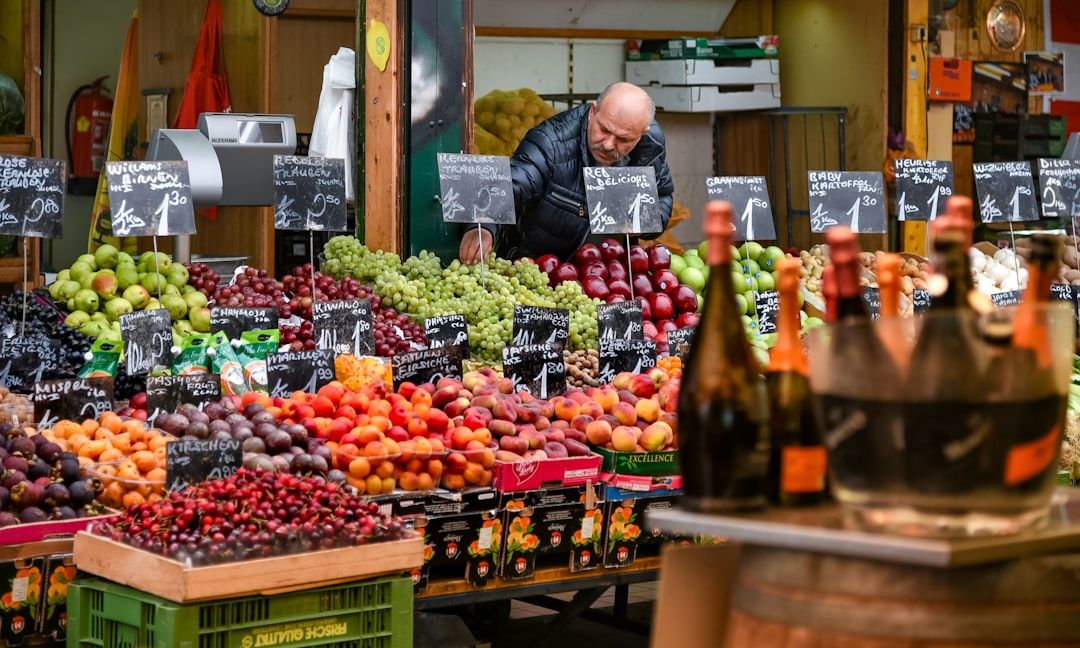
The Naschmarkt, with a flea market on Saturdays.
The Prater, and the Ferris wheel if you want it.
Hundertwasserhaus, the irregular social housing block with trees growing out of it.
The Zentralfriedhof, where Beethoven, Brahms, Schubert and Strauss are buried.
Eating cheaply
Würstelstand sausage stands, which are a Viennese institution and open late.
Beisl — traditional taverns serving schnitzel, goulash and Tafelspitz at reasonable prices.
Market halls and the university-area places.
Practical
The airport is 16 minutes by CAT express or a little longer on the cheaper S-Bahn.
Public transport is excellent and a day pass is cheap.
Season: Vienna works year round. December's Christmas markets are the peak; January and February are cheapest and the museums are the point anyway.