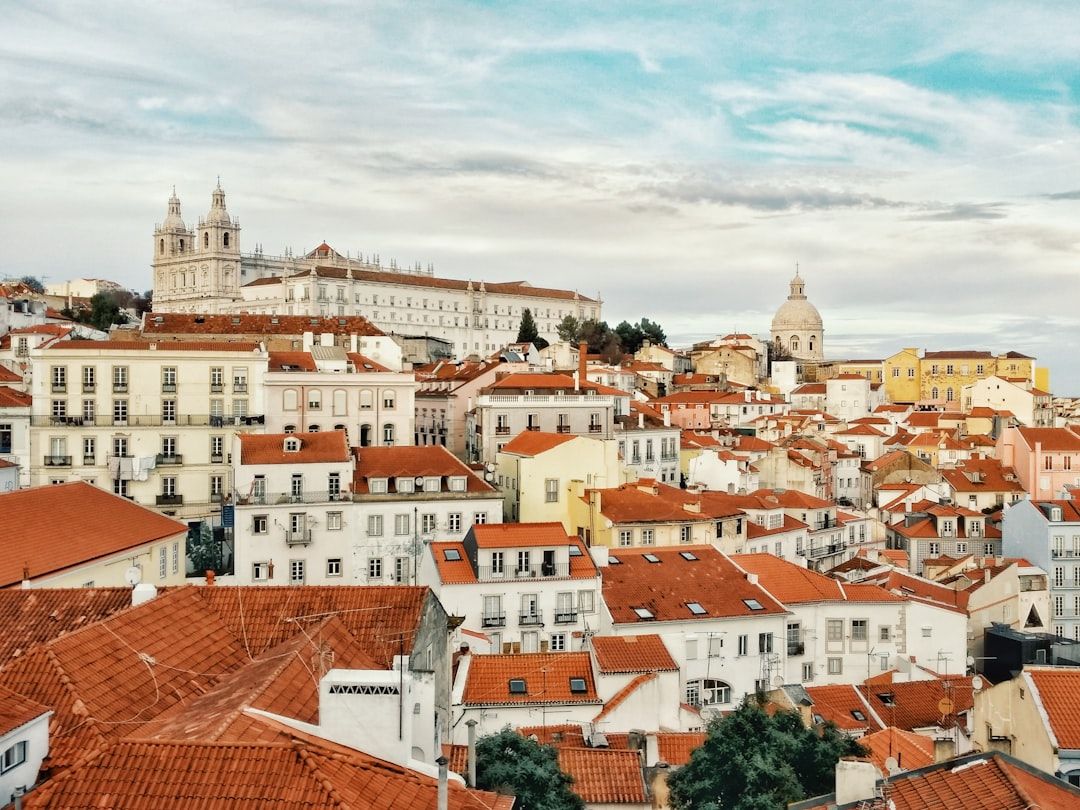
Lisbon's appeal and its difficulty are the same thing: seven steep hills paved with calçada, small polished limestone blocks that are lovely and slippery. Where you book determines how much of the weekend is spent climbing.
Where to base
Baixa — the flat grid between the hills, rebuilt after the 1755 earthquake. Central, level, and everything is walkable or a funicular away.
Chiado and Príncipe Real — central, elevated but not brutal, with the better restaurants.
Alfama and Bairro Alto — the most atmospheric and the hardest work. Alfama is a maze of steps; Bairro Alto is loud until 3am.
On a two-night trip, the flat option wins.
The miradouros, by hour
The viewpoints are the best thing in Lisbon and they cost nothing. Each faces a different way, so the time matters more than the ranking.
| Viewpoint | Best |
|---|---|
| Santa Luzia / Portas do Sol | Morning, over Alfama |
| São Pedro de Alcântara | Late afternoon, facing the castle |
| Senhora do Monte / Graça | Sunset, highest |
| Santa Catarina | Evening, over the river |
Several have kiosks selling beer for around €2.
The trams
Public transport, not attractions — a Viva Viagem card covers them, along with the funiculars and the Elevador de Santa Justa, which many visitors queue for and pay tourist prices at.
Take the 12, not the 28. Similar ground, a fraction of the crowd, and the 28 is the city's main pickpocketing location.
Tram 15 to Belém is modern with actual space.
The two-day shape
Day one: Alfama on foot in the morning with the eastern viewpoints, up to São Jorge castle, down through Mouraria. Afternoon in Baixa and Chiado. Evening at a western viewpoint then dinner in Príncipe Real.
Day two: Belém — the monastery, the coach museum, the tower, and the original pastéis de Belém. Afternoon at the Tile Museum or the Gulbenkian.
Or swap day two for Sintra, understanding that it replaces Lisbon rather than adding to it.
Sintra, if you go
Take the first train from Rossio. Buy timed tickets in advance. Choose two sites, not four.
Pena Palace and Quinta da Regaleira, or the Moorish castle walls which cost less than Pena and have the better view.
The buses and queues consume the day otherwise.
Eating
A tasca serves a full lunch with wine for €8–12, and the prato do dia is the cheapest and usually best thing on the board.
The couvert — bread and olives brought unasked — is charged if eaten. Refusing it is normal and not rude.
Time Out Market is convenient and priced accordingly; the surrounding streets are better.
Practical
The airport is 20 minutes by metro — one of the best transfers in Europe.
Shoes with grip. The paving is genuinely slippery, particularly in rain.
Season: March to June and September to October. Lisbon is mild year round and winter is quiet and cheap.