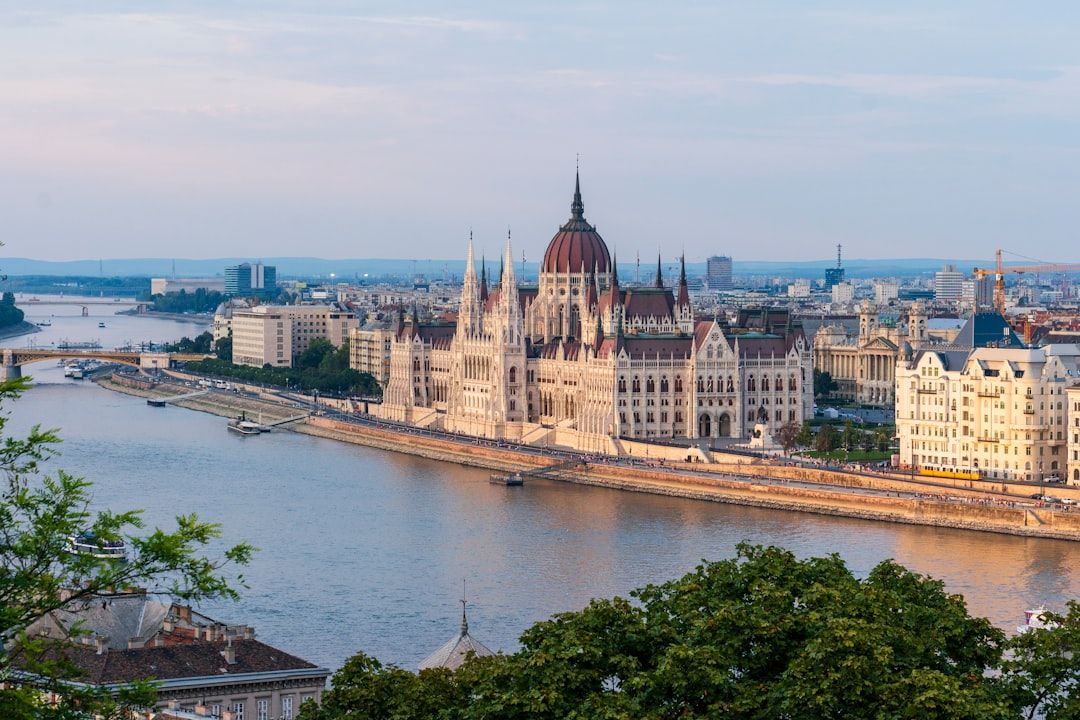
Budapest sits on over a hundred thermal springs, and its baths are not a spa add-on but a civic institution people use weekly. Planning a weekend around them rather than fitting them in is the right way round.
Which bath
Széchenyi — the large outdoor complex in City Park, in a yellow neo-baroque building. Busy, sociable, and the one in every photograph. Outdoor pools at 38°C, best in cold weather when steam rises off them.
Gellért — art nouveau interiors with mosaics and stained glass, a more formal atmosphere and a wave pool.
Rudas — Ottoman-era, sixteenth century, with an octagonal domed pool and a rooftop tub over the Danube. Some single-sex days; check the schedule.
Király — the other Ottoman bath, small and atmospheric.
Lukács — where locals actually go, cheapest, and unglamorous.
Practicalities: bring a towel and flip-flops or rent them, a swimming cap is required in some lap pools, and lockers and cabins are priced differently. Allow two to three hours rather than one.
The two banks
Buda, west and hilly — the castle, Fisherman's Bastion with its view across the river, Matthias Church, and Gellért Hill for the best panorama in the city.
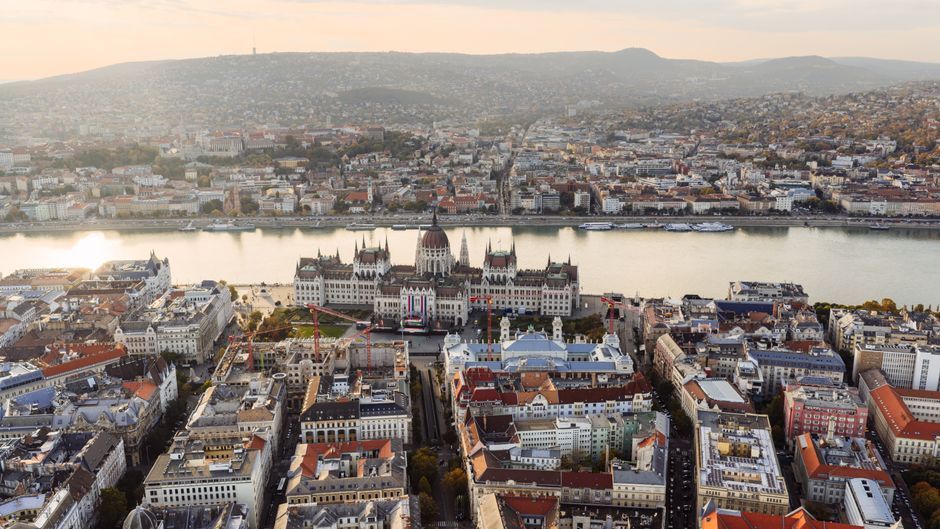
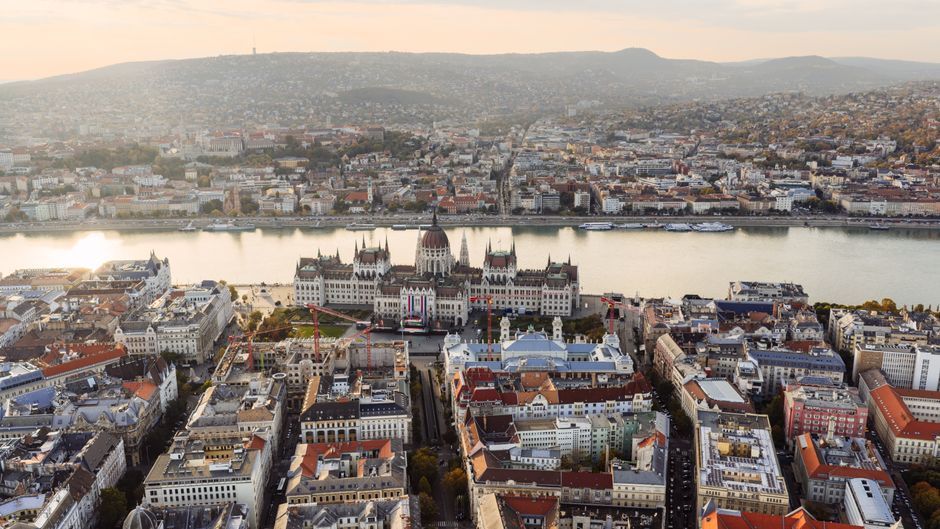
Pest, east and flat — the parliament (guided tours, book ahead), St Stephen's Basilica, the grand boulevard of Andrássy út, the Jewish quarter, and most of the restaurants and nightlife.
Most visitors stay in Pest and cross for the views.
The Jewish quarter and ruin bars
The Great Synagogue is the largest in Europe, with a memorial garden.
Ruin bars occupy derelict buildings and courtyards nearby, filled with salvaged mismatched furniture.
Szimpla Kert is the original and the most visited. The surrounding streets hold many others that are less crowded and cheaper — walking two streets from Szimpla is worth doing.
What a weekend costs
| Item | Typical |
|---|---|
| Central double room | €50–90 |
| Restaurant meal | €10–18 |
| Bath entry | €15–25 |
| Beer | €2–3.50 |
| Transport, day | €3–5 |
A two-night weekend under €250 excluding flights is comfortable rather than tight.
The two-day shape
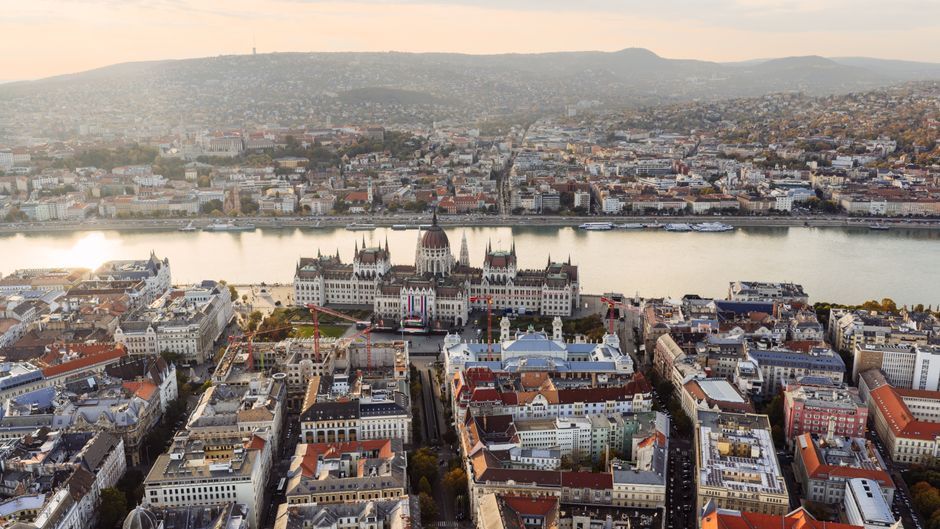
Day one: Pest — parliament exterior and the shoes memorial on the embankment, the basilica, Andrássy út, the Jewish quarter. Evening in the ruin bars.
Day two: Buda — castle hill at opening, Fisherman's Bastion, down and across. Afternoon at a bath. Evening on the river.
Swap the bath to the first afternoon if the weather is cold — Széchenyi outdoors in winter is the better version.
Practical
The airport is bus plus metro, around 45 minutes, or a shared shuttle.
Use a bank ATM rather than an exchange booth, and decline dynamic currency conversion when the machine offers to charge you in euros.
The metro's line 1 is the oldest on the European mainland and is a small pleasure in itself.