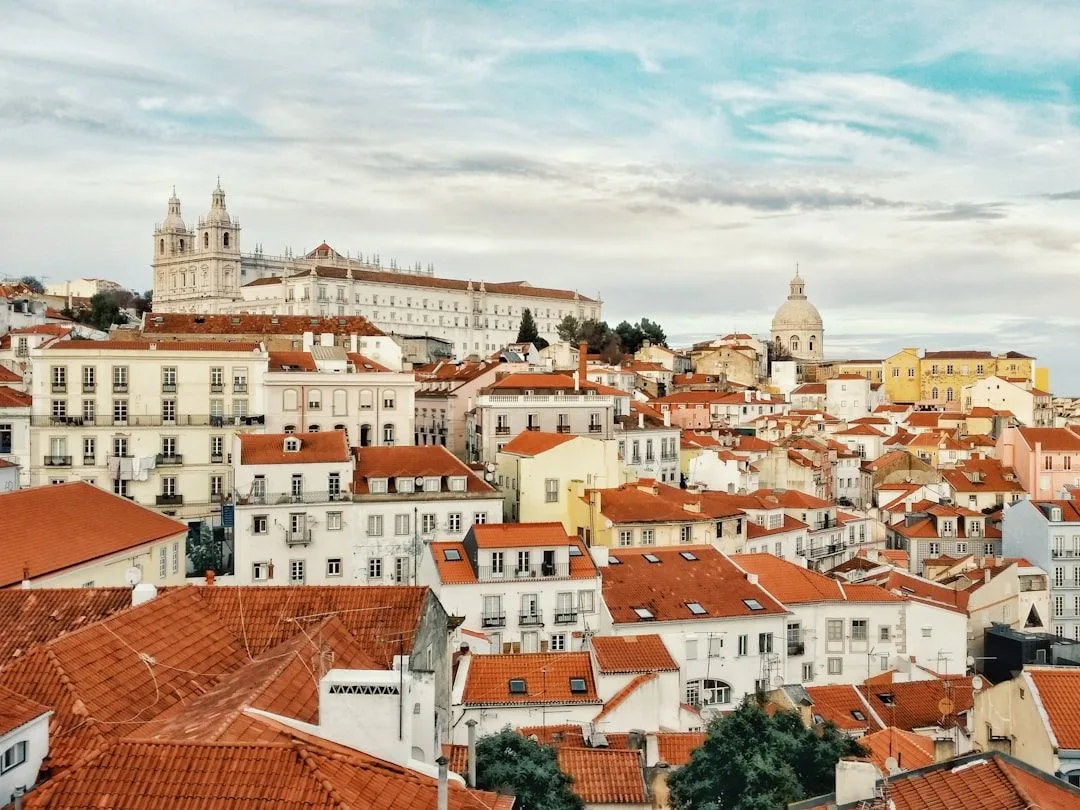
Lisbon's best eating is not in the places with menus in five languages. It is in small neighbourhood restaurants at lunchtime, and it costs very little — with one custom that regularly surprises people at the end.
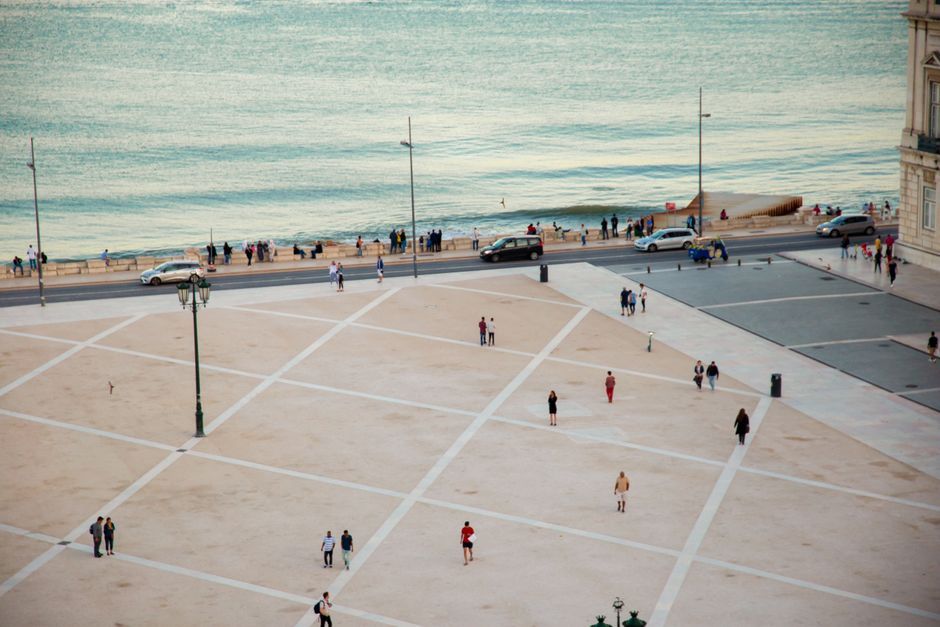
The couvert
The bread, olives, cheese or pâté brought to the table unordered.
It is charged if you eat it, typically €3–8. Refusing it or sending it back is completely normal and is not rude.
This is not a scam — it is the standard Portuguese arrangement — but it catches out almost every first-time visitor.
The tasca
A small, plain neighbourhood restaurant serving home-style food, usually with a daily dish written on a board or recited.
A full lunch with wine commonly runs €8–12.
The prato do dia is normally the cheapest and the best thing available, because it is what the kitchen actually cooked that morning.
Look for: paper tablecloths, a television on, and a clientele of people on their lunch break. Avoid: photographs on the menu, someone outside inviting you in.

Where to go
Campo de Ourique — residential, with a market and a dense concentration of neighbourhood restaurants.
Graça and Mouraria — above Alfama, where people live.
Alvalade and Arroios — further out, and where the immigrant food scene is, particularly Mozambican, Angolan and Goan.
Cais do Sodré's side streets, away from the market.
What to eat
Bacalhau — salt cod, in hundreds of preparations. Bacalhau à Brás with egg and potato, com natas baked in cream, or simply grilled. The versions in working neighbourhoods are both better and cheaper than the central ones.
Grilled sardines, at their best June to September.
Ameijoas à Bulhão Pato — clams with garlic, coriander and white wine.
Bifana — a pork sandwich from a counter, a €3 lunch.
Pastéis de nata, everywhere, and the original recipe at Belém where they are made in enormous quantity and eaten warm with cinnamon.
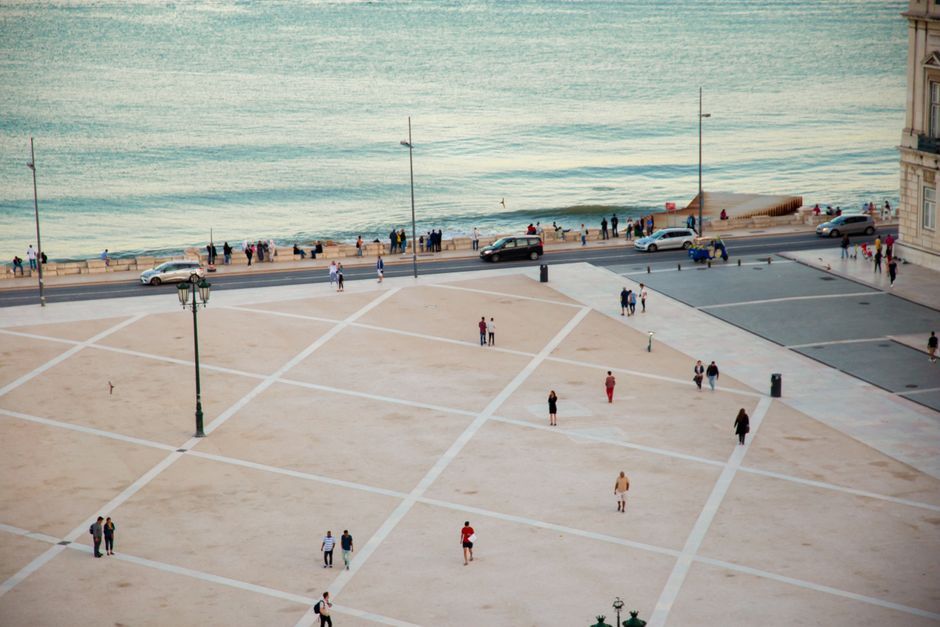
The markets
Time Out Market at Cais do Sodré — convenient, good, and priced accordingly. Worth one visit; the surrounding streets are better value.
Mercado de Campo de Ourique — the smaller, more local version of the same idea.
Feira da Ladra in Alfama on Tuesdays and Saturdays — a flea market rather than food, with stalls around it.
Drinking
Ginjinha — sour cherry liqueur in small glasses at tiny standing bars, sometimes with a cherry in the bottom, drunk in one. Long-established places near Rossio and in Alfama serve nothing else, at €1–2 a glass.
Vinho verde, light and slightly sparkling, from the north.
Portuguese wine generally is underpriced — a good bottle in a restaurant frequently costs €12–18.
Port, which is from Porto rather than Lisbon, and widely available.
Practical
Lunch is the meal, and it is where the value is.
Dinner from 7:30 or 8pm, which is earlier than Spain.
Cash is still useful at small tascas and ginjinha bars.