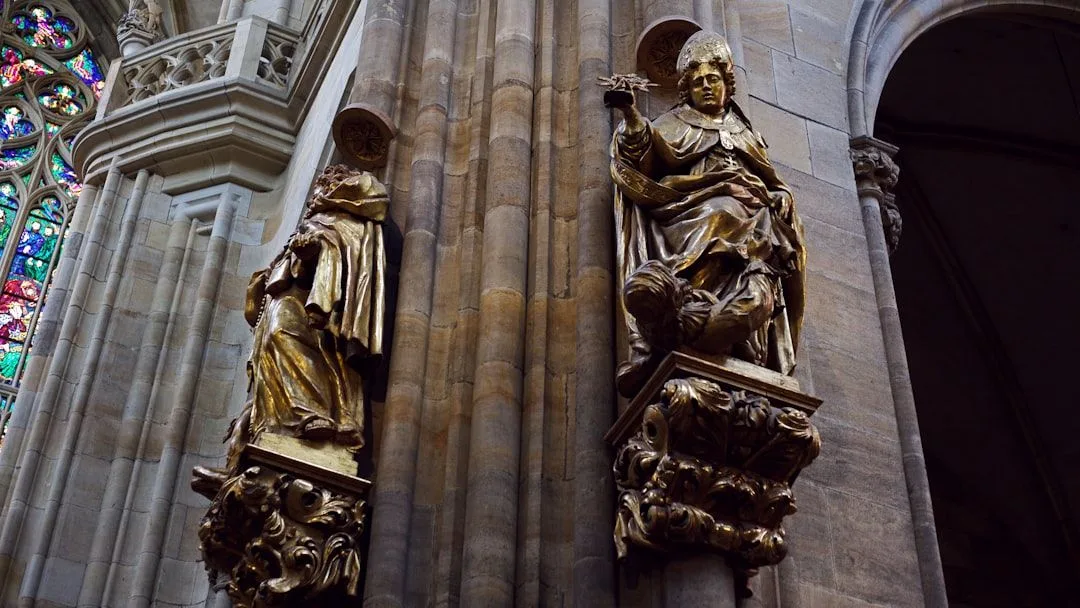
The same weekend — a central room, three restaurant meals, transport and two paid sights — costs roughly three times as much in Zurich as in Kraków. Here is the actual spread.
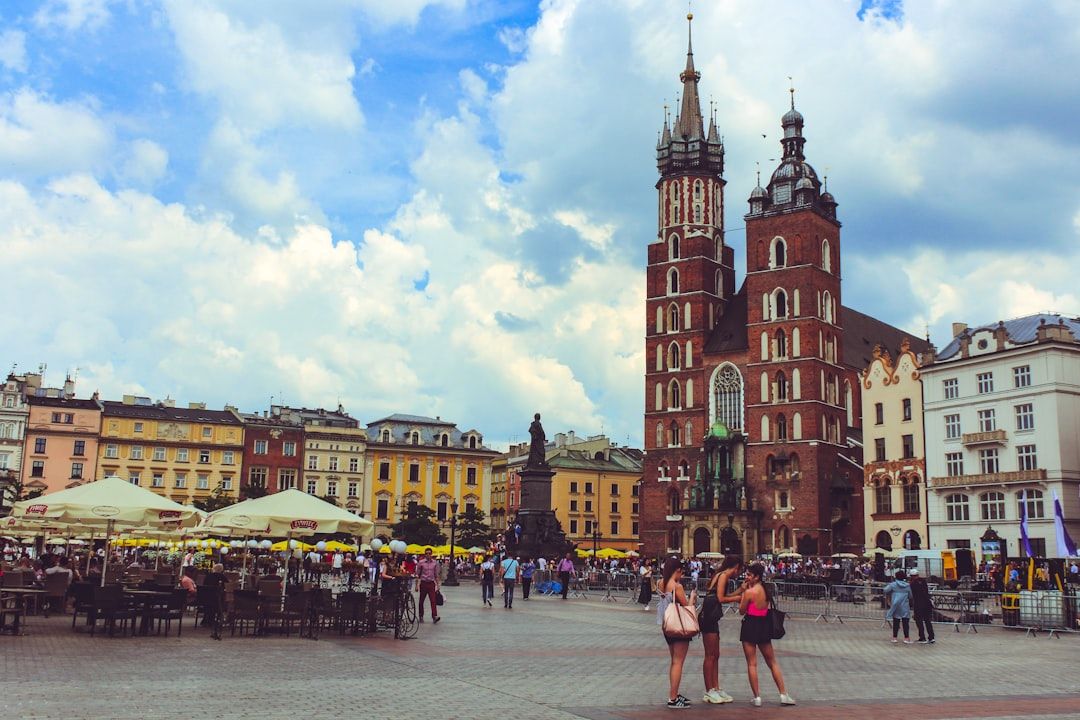
The tiers
| Tier | Cities | 2 nights, excl. flights |
|---|---|---|
| Cheap | Kraków, Budapest, Bucharest, Sofia, Belgrade, Tirana | €150–250 |
| Good value | Porto, Valencia, Thessaloniki, Ljubljana, Naples, Seville | €200–320 |
| Middle | Lisbon, Prague, Berlin, Madrid, Rome, Barcelona | €280–420 |
| Expensive | Paris, Amsterdam, London, Vienna, Dublin | €400–600 |
| Very expensive | Zurich, Copenhagen, Oslo, Reykjavík | €500–800 |
Same person, same standard of trip. The difference is entirely the destination.
Where the money goes
Accommodation is the largest variable and the one most worth optimising.
A central double room:
Kraków or Budapest: €50–80.
Lisbon or Prague: €90–140.
Amsterdam or Paris: €150–250.
Zurich or Copenhagen: €200–350.
Eating follows the same curve but less steeply — a good restaurant meal ranges from about €12 to about €45 across the tiers.
Transport and sights vary least. Museum entry is broadly €10–20 everywhere, and city transport is cheap almost everywhere.
The lunch rule
Consistent across the continent and worth more than any other single habit.
Most European countries have a fixed-price weekday lunch: the menú del día in Spain at €12–16, the formule midi in France, the pranzo di lavoro in Italy, similar in Portugal and Greece.
Roughly half the evening price for the same food from the same kitchen.
Central versus cheap
Staying outside the centre saves 20–40%.
On a two-night break that is usually the wrong trade. Thirty minutes of transport twice a day is two hours over a weekend — a significant share of one and a half usable days.
On a week-long trip the arithmetic reverses.
The cheap cities that are genuinely good
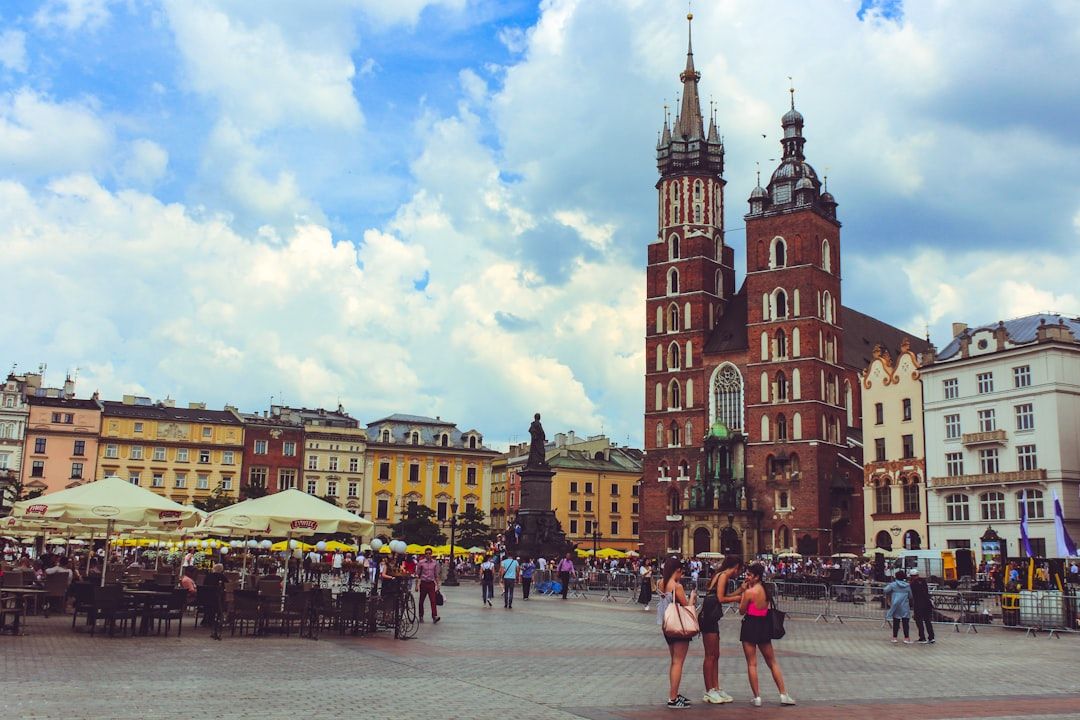
Kraków — an intact medieval square, Wawel castle, the Jewish quarter of Kazimierz, and Auschwitz within reach.
Budapest — thermal baths, the Danube, ruin bars, and grand architecture on both banks.
Porto — the Douro, port lodges, tiled churches, and the best value in western Europe.
Thessaloniki — Byzantine churches, the best food in Greece, and almost no international weekend traffic.
Ljubljana — small, riverside, entirely walkable, with the Alps an hour away.
Naples — cheapest major city in western Europe, with Pompeii and the coast attached.
The expensive ones, mitigated
London — the national museums are free, which makes it far cheaper than its reputation once accommodation is handled.
Copenhagen and Oslo — supermarkets and self-catering, and the cities themselves are largely free to walk.
Paris — municipal museum permanent collections are free, and the city is the attraction.